Best Cities to Invest in Nigerian Real Estate 2026 — Lagos, Abuja, Port Harcourt
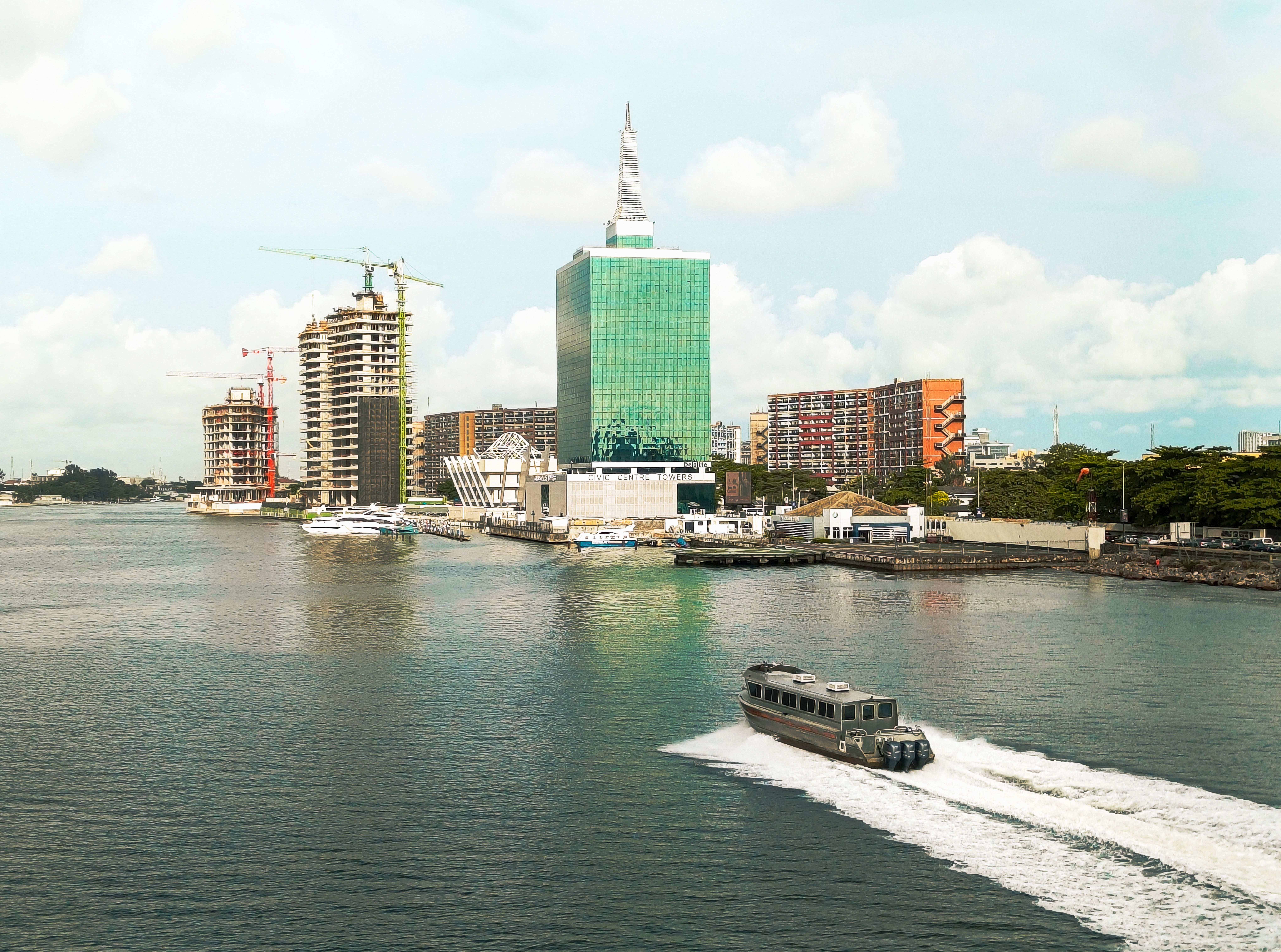
Table of contents
- What makes Lagos the top pick for capital growth and Lagos property ROI?
- Hotspots and asset types
- Why Lagos property ROI can outperform other cities
- Risks to monitor
- How does Abuja compare for rental yield and investment stability?
- Hotspots and asset types
- Strengths for rental investors
- Risks to monitor
- Why is Port Harcourt attractive for cash flow and industrial land investment?
- Hotspots and asset types
- Strengths for yield-focused investors
- Risks to monitor
- How do Lagos, Abuja and Port Harcourt compare for investors?
- What legal and regulatory checks should investors perform in Nigeria?
- How to buy property in Nigeria — step-by-step due diligence and purchase process
- What financing options and lending environment should investors expect?
- What are practical strategies for each city?
- What risks should investors plan for and how to mitigate them?
- How to evaluate a neighbourhood quickly before investing?
- Closing view: city selection depends on investment goals
Best Cities to Invest in Nigerian Real Estate 2026 — Lagos, Abuja, Port Harcourt
The best cities Nigeria real estate investment in 2026 are Lagos, Abuja and Port Harcourt — each offering different risk/reward profiles: Lagos for capital appreciation (Eko Atlantic, Ibeju Lekki), Abuja for stable rental demand and public-sector tenants, and Port Harcourt for energy-sector driven cash flows and industrial land opportunities.
What makes Lagos the top pick for capital growth and Lagos property ROI?
Lagos remains Nigeria’s primary economic engine, driven by finance, tech, logistics and a growing middle and high-income population. The city’s unique supply constraints (coastline limits, planning restrictions) make capital appreciation a consistent theme, especially in properly serviced new developments.
Hotspots and asset types
- Eko Atlantic, Victoria Island, Ikoyi, Banana Island — high-end residential and mixed-use developments aimed at premium buyers and expatriates.
- Ibeju Lekki — fast-growing corridor for land banking, estate developments and logistics; proximity to Lekki Free Trade Zone and Lekki Deep Sea Port drives speculative land demand.
- Ajah / Lekki Phase 1 / Chevron axis — mid-market apartments and gated communities for young professionals.
Why Lagos property ROI can outperform other cities
- Scarcity of fully serviced, legally titled coastal land increases long-term price appreciation.
- High-end enclaves (Eko Atlantic, Ikoyi) attract foreign and diaspora buyers seeking capital preservation.
- Growing commercial hubs produce strong demand for office space and serviced apartments.
Risks to monitor
- Title irregularities on peri-urban land (especially undeveloped Ibeju Lekki parcels).
- Infrastructure delivery pacing (road, water, power) can delay projects and returns.
- Regulatory and stamp duty changes at Lagos State Government or Federal level.
How does Abuja compare for rental yield and investment stability?
Abuja offers more predictable rental yields, driven by government employees, diplomatic presence and corporate headquarters. The city’s planned layout and controlled expansion create a different investment profile than Lagos.
Hotspots and asset types
- Maitama, Asokoro, Wuse, Gwarinpa — high-demand residential neighborhoods with consistent rental occupancy.
- Central Business District and CBD-adjacent estates — office, mixed-use and serviced apartments catering to corporate and diplomatic tenants.
Strengths for rental investors
- Stable tenant base: ministries, agencies, international organisations and embassies often provide long-term leases.
- Stronger formal land titling processes under the Federal Capital Territory Administration (FCTA) and clearer enforcement of planning controls.
- Good potential for consistent Abuja rental yield in purpose-built apartments and gated estates.
Risks to monitor
- Supply growth from new developments can compress short-term yields.
- Higher entry prices in prime districts; liquidity for large units can be slower than Lagos.
Why is Port Harcourt attractive for cash flow and industrial land investment?
Port Harcourt is the hub of Nigeria’s oil & gas industry and associated services. Investment here is often cash-flow driven, with demand for industrial land, staff housing and logistics facilities.
Hotspots and asset types
- GRA Phase 1–3, Old GRA, Trans Amadi, Diobu — residential for middle and upper-income residents.
- Trans Amadi industrial area — warehouses, fabrication yards and service facilities linked to energy sector supply chains.
- Peri-urban land for logistics parks and downstream facilities.
Strengths for yield-focused investors
- Steady leasing demand from oil & gas contractors and multinationals.
- Opportunities in industrial land and purpose-built staff accommodation with shorter vacancy cycles.
Risks to monitor
- Commodity price volatility affects local employment and occupancy.
- Security and infrastructure challenges can affect perceived risk and insurance costs.
How do Lagos, Abuja and Port Harcourt compare for investors?
| City | Main investment drivers | Typical asset class | Liquidity | Entry cost (NGN) | Yield profile |
|---|---|---|---|---|---|
| Lagos | Finance, tech, ports, scarcity (Eko Atlantic, Ibeju Lekki) | Luxury apartments, mixed-use, land | High for prime, moderate for peri-urban | Tens of millions to several hundred million (varies widely) | Capital appreciation strong; rental yields variable |
| Abuja | Government, diplomacy, stable urban planning | Gated estates, apartments, offices | Moderate — stable tenant base | Mid to high (prime districts costly) | Stable rental yields; lower volatility |
| Port Harcourt | Oil & gas, industrial services | Industrial land, staff housing, residential GRA | Moderate to low (sector-dependent) | Mid-range for residential; industrial land variable | Strong cash flows when oil sector active; cyclical risk |
What legal and regulatory checks should investors perform in Nigeria?
Key frameworks and institutions to consult:
- Land Use Act 1978 — governs land tenure and issuance of Certificates of Occupancy (C of O).
- Federal Capital Territory Act — applies to Abuja land and planning under the FCTA.
- Lagos State Lands Registry, Rivers State Lands Registry (for Port Harcourt) — search records for title and encumbrances.
- Corporate Affairs Commission (CAC) — for corporate buyer checks and land-holding vehicles.
- Central Bank of Nigeria (CBN) — mortgage regulation and foreign exchange rules for repatriation.
- Federal Mortgage Bank of Nigeria (FMBN) and Nigerian Mortgage Refinance Company (NMRC) — relevant when financing through mortgage products.
Always obtain updated title searches from the relevant state lands registry and confirm whether a Certificate of Occupancy (C of O), Governor’s consent, or Deed of Assignment is required. Off-plan purchases should include a developer escrow or proof of escrow arrangements.
How to buy property in Nigeria — step-by-step due diligence and purchase process
- Verify seller identity and title: obtain certified copies of land documents, C of O or Governor’s consent, and identification.
- Conduct a lands registry search at the State Lands Registry (Lagos State Lands Registry, Rivers State Lands Registry, or FCTA for Abuja) to confirm ownership and encumbrances.
- Commission a professional survey to verify physical boundaries and confirm the survey plan/FS (field survey).
- Issue a Letter of Intent and negotiate a Sale Agreement with clear payment schedule, completion conditions and dispute resolution clause.
- Pay required taxes and duties (stamp duty to Stamp Duties Board and any applicable withholding taxes); secure receipts.
- Execute the Deed of Assignment or Conveyance before a licensed solicitor and obtain Governor’s Consent where necessary.
- Register the Deed at the appropriate Lands Registry to perfect title and obtain updated ownership records.
- For financed purchases, ensure lender requirements are met (valuation, insurance) and register mortgage charges with the Lands Registry.
This procedure applies to domestic and diaspora buyers; corporate structures should be registered with the CAC and may require additional filings.
What financing options and lending environment should investors expect?
- Commercial banks regulated by the CBN provide mortgages and construction loans; lending often requires significant down payments and strong credit or corporate guarantees.
- FMBN supports mortgage liquidity for formal schemes; NMRC provides longer-term refinancing to encourage secondary mortgage markets.
- Developers may offer staged payment plans for off-plan units; escrow protections are increasingly demanded by buyers.
- Foreign currency flows and repatriation are subject to Central Bank rules — consult bank compliance teams and legal advisors for diaspora investments.
What are practical strategies for each city?
- Lagos: pursue capital appreciation via serviced plots and premium apartments in Eko Atlantic and Ibeju Lekki; consider mixed-use for diversified returns and shorter-term leasing.
- Abuja: target mid-sized apartments near government and corporate precincts for steady rental income; gated estates offer tenant stability and lower management risk.
- Port Harcourt: focus on industrial land or staff accommodation tied to oil & gas contractors for dependable cash flow; diversify against commodity cycles.
What risks should investors plan for and how to mitigate them?
- Title risk: always confirm C of O or registered Deed of Assignment; use escrow and registered conveyancing.
- Delivery risk: insist on performance bonds, clear construction timelines, and phased payments held in escrow.
- Market cycles: balance portfolios with a mix of capital-growth and yield assets across different cities.
- Regulatory change: monitor state government gazettes and central policies from the CBN and FCTA; use local counsel to track changes.
- Currency and repatriation: consult banks about permitted channels and documentation for repatriation of proceeds.
How to evaluate a neighbourhood quickly before investing?
- Check proximity to major transport (bridges, expressways), business districts, ports and planned infrastructure (ports, free zones).
- Verify service delivery: water, power access, drainage and waste management — these materially affect occupancy and resale.
- Inspect comparable rents and recent sales where available; speak to local estate agents and on-site property managers.
Closing view: city selection depends on investment goals
Selection among Lagos, Abuja and Port Harcourt should match investor objectives:
- Choose Lagos for long-term capital growth and portfolio diversification tied to national commerce and coastal development (Eko Atlantic, Ibeju Lekki).
- Choose Abuja for stable rental cash flow and tenant quality (government, diplomatic corps) with predictable occupancy.
- Choose Port Harcourt for yield-focused industrial and staff housing opportunities tied to energy-sector activity.
Reviewer note: [Reviewer placeholder]
Ready to buy with confidence?
Propzion connects you with verified property lawyers, title verifiers, and an escrow that only releases funds after every checkpoint passes.